Benefits of On-Site Fleet Maintenance for Trucks
Cory Smith · · 15 min read
Last Updated: November 15, 2026
Quick Summary
On-site fleet maintenance means a mobile technician services your trucks at your yard, shop lot or job site, which keeps them out of the shop and cuts downtime. Trucks spend less time out of service, towing and transport costs are often avoided, and preventive work is easier to keep on schedule.
- Trucks stay close to their normal routine, which reduces lost revenue from downtime.
- Towing and transport costs are avoided for most scheduled and many urgent jobs.
- Diagnostics can start immediately on the truck where the problem appears.
- Preventive maintenance is easier to keep on schedule during planned downtime.
- Some repairs still need shop equipment, lifts or a full bay and cannot be done on-site.
Table of Contents
- Why On-Site Fleet Maintenance Matters for Trucks Running Daily
- Key Benefits of On-Site Fleet Maintenance
- On-Site vs. Shop-Based Maintenance: A Side-by-Side Comparison
- Pros and Cons of On-Site Fleet Maintenance
- Building a Fleet Maintenance Schedule That Fits Your Operation
- Fleet Maintenance Best Practices and a Pre-Service Checklist
- How to Choose a Mobile Fleet Maintenance Provider
- Schedule Your Fleet's Next Service Visit With Smith Truck Repair
- Frequently Asked Questions
Why On-Site Fleet Maintenance Matters for Trucks Running Daily
On-site fleet maintenance means a mobile technician comes to your yard, shop lot or job site and services your trucks there. For a fleet running every day, that matters because every hour a truck sits in a bay or waiting on a tow is an hour it is not earning. At Smith Truck Repair, we are a mobile heavy-duty diesel service based in Haines City, and we schedule much of our fleet work at the customer's yard during planned downtime. See our mobile fleet maintenance services for the full range of on-site work.
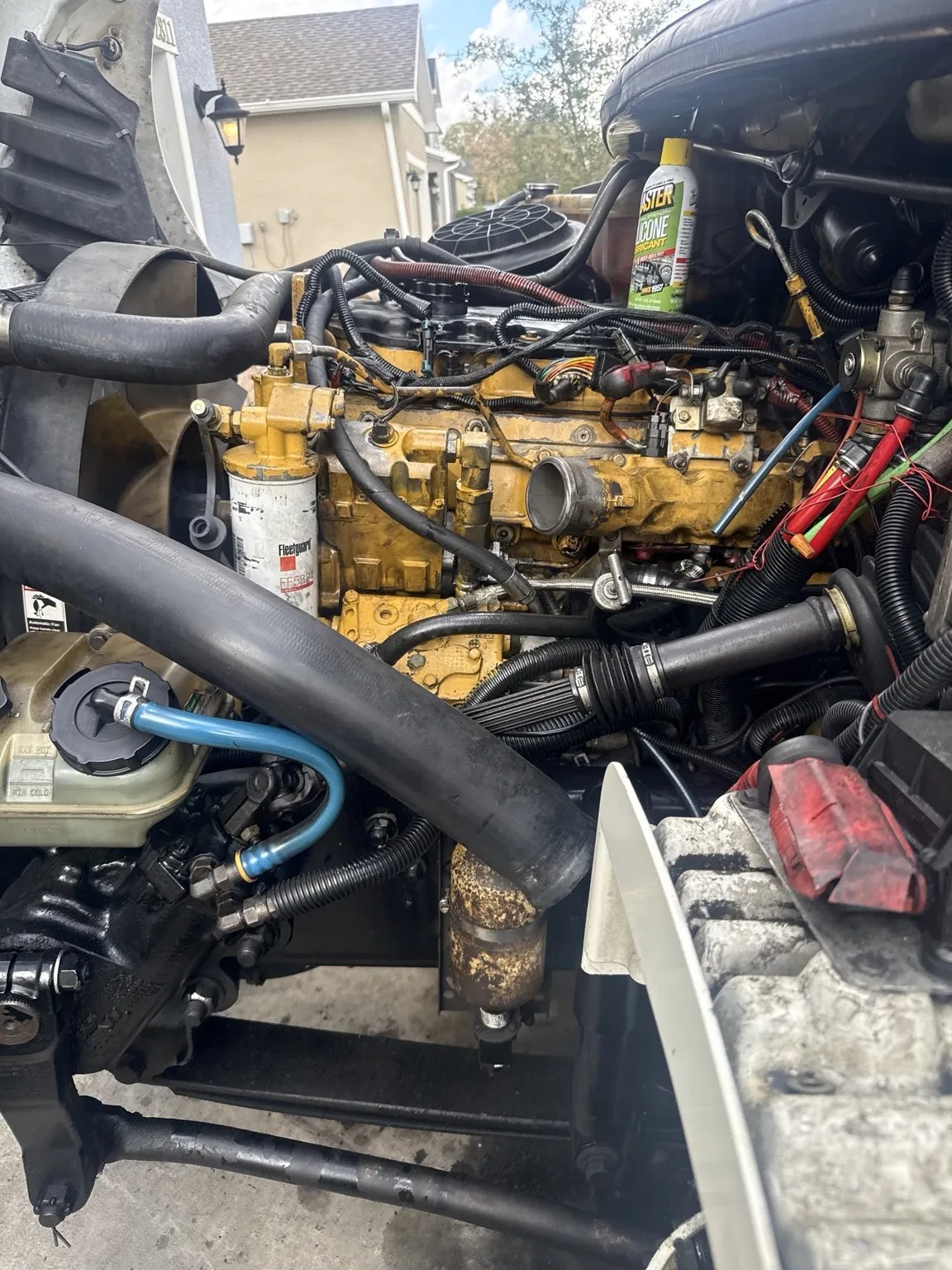
The practical question for a fleet manager is not whether maintenance matters, but where it gets done and how much disruption it causes. Pulling a truck off the road for a shop visit adds the drive out, the drop-off, the wait for a bay and the drive back. Doing the same work where the truck already sits removes most of that overhead.
Mobile service also fits the schedule fleets actually run on. Preventive maintenance can be grouped with other planned stops, and urgent problems can be addressed quickly when a truck breaks down on a route. The sections below cover the main benefits, how on-site work compares with shop visits, the tradeoffs, and how to choose a provider.
Key Benefits of On-Site Fleet Maintenance
On-site service offers several concrete advantages for a working fleet. The first is that trucks spend less time out of service. The second is that the total cost of getting work done can drop once towing and transport are removed from the equation. The third is that preventive maintenance is easier to keep on schedule when the technician comes to you. Each benefit is covered in more detail below.
Less Downtime and Faster Return to Service
Downtime is usually the largest hidden cost in fleet maintenance. A truck in a shop is not hauling freight, and the lost revenue often exceeds the repair bill. When a technician works in your yard, the truck stays close to its normal routine, and the repair can begin without waiting for a drop-off slot.
Faster return to service also depends on how quickly a diagnosis is made. When we can run diagnostics on the truck where it sits, the technician can confirm the cause before anything is ordered or moved. That avoids the common pattern of a truck being towed in, diagnosed, parked for parts and then returned in a second trip.
Not every repair can be finished in one visit. Some jobs need parts that have to be sourced, and we cannot promise that every repair will be completed on-site. The benefit is that the work starts sooner and the truck is not held up by travel on top of the repair itself.
Lower Towing, Transport, and Repair Costs
Towing a heavy truck is expensive, and a fleet that relies on tows for routine or urgent issues pays for each one. Removing the tow, the transport and the associated driver time can reduce the total cost of a repair event, even when the labor rate itself is not lower.
A fault code is a starting point for diagnosis, not proof that a particular part has failed. A technician who tests the affected system before recommending parts helps avoid replacing components that were not the cause. That kind of testing is easier to carry out on-site, where the truck is already parked and the technician can check live data while the problem is present.
Fleets should still expect costs to vary with the job. Labor, parts and any travel charges depend on the repair, and we recommend asking for a written estimate before work begins.
Preventive Maintenance That Catches Problems Early
Preventive maintenance works best when it happens on a regular schedule. On-site service makes that schedule easier to keep, because the technician can visit at planned intervals during downtime that already exists in the fleet's calendar. Our preventive maintenance packages include an 84-point inspection, which gives the fleet a structured look at the truck's condition.
Catching problems early also reduces the chance of a roadside failure. Small issues such as a slow leak, a worn belt or an unusual reading on a sensor are much cheaper to address in a planned visit than after a breakdown on the highway. Drivers who report symptoms by unit number give the technician a head start when the truck comes in.
Preventive work is not a guarantee against breakdowns. Its value is in reducing the number of unplanned stops, and it works best when drivers report issues promptly between visits.
On-Site vs. Shop-Based Maintenance: A Side-by-Side Comparison
Both on-site and shop-based maintenance have a place in a fleet program. The table below summarizes the main differences in practical terms. It is a general comparison, not a quote, and the right choice depends on the fleet's routes, the type of work and the equipment involved.
| Factor | On-Site (Mobile) Service | Shop-Based Service |
|---|---|---|
| Travel to service | None for the truck; technician travels to the yard | Truck must be driven or towed to the shop |
| Time out of service | Often limited to the repair window | Includes drive, drop-off, wait and return |
| Diagnostics | Live testing where the truck sits | Usually after the truck arrives at the bay |
| Major repairs | Some work can be done on-site, but not all | Better suited to work needing a full bay or lift |
| Scheduling | Planned at the yard during downtime | Booked around shop availability |
| Best fit | Fleets that want minimal disruption | Jobs needing extensive shop equipment |
Many fleets use both. On-site service handles preventive maintenance, routine repairs and roadside issues, while larger rebuilds or specialized work may still go to a shop. The right mix depends on the equipment the fleet runs and how much time it can spare.
Pros and Cons of On-Site Fleet Maintenance
On-site service has clear advantages, but it is not the right answer for every situation. The points below help a fleet manager weigh the tradeoffs before committing to a program.
Pros
- Trucks stay close to their normal routine, which reduces lost revenue from downtime.
- Towing and transport costs are avoided for most scheduled and many urgent jobs.
- Preventive maintenance is easier to keep on schedule during planned downtime.
- Diagnostics can start immediately on the truck where the problem appears.
- Drivers do not need to spend time traveling to and waiting at a shop.
Cons
- Some repairs require shop equipment, lifts or a full bay and cannot be completed on-site.
- Parts that are not on the service vehicle may delay completion until they arrive.
- The yard must have a suitable area for the technician to work safely.
- Fleets with very high volume may find a dedicated in-house program more economical.
- The quality of on-site service depends heavily on the provider's technicians and equipment, so provider selection matters.
Fleets with a small number of trucks, tight schedules or limited yard space should weigh these points carefully before deciding.
Building a Fleet Maintenance Schedule That Fits Your Operation
A useful maintenance schedule is built around how the fleet actually runs. Start with the manufacturer's recommended intervals for each engine and transmission, then adjust them for duty cycle. A truck that idles heavily can accumulate engine hours much faster than its odometer suggests, so mileage alone is not enough to plan service.
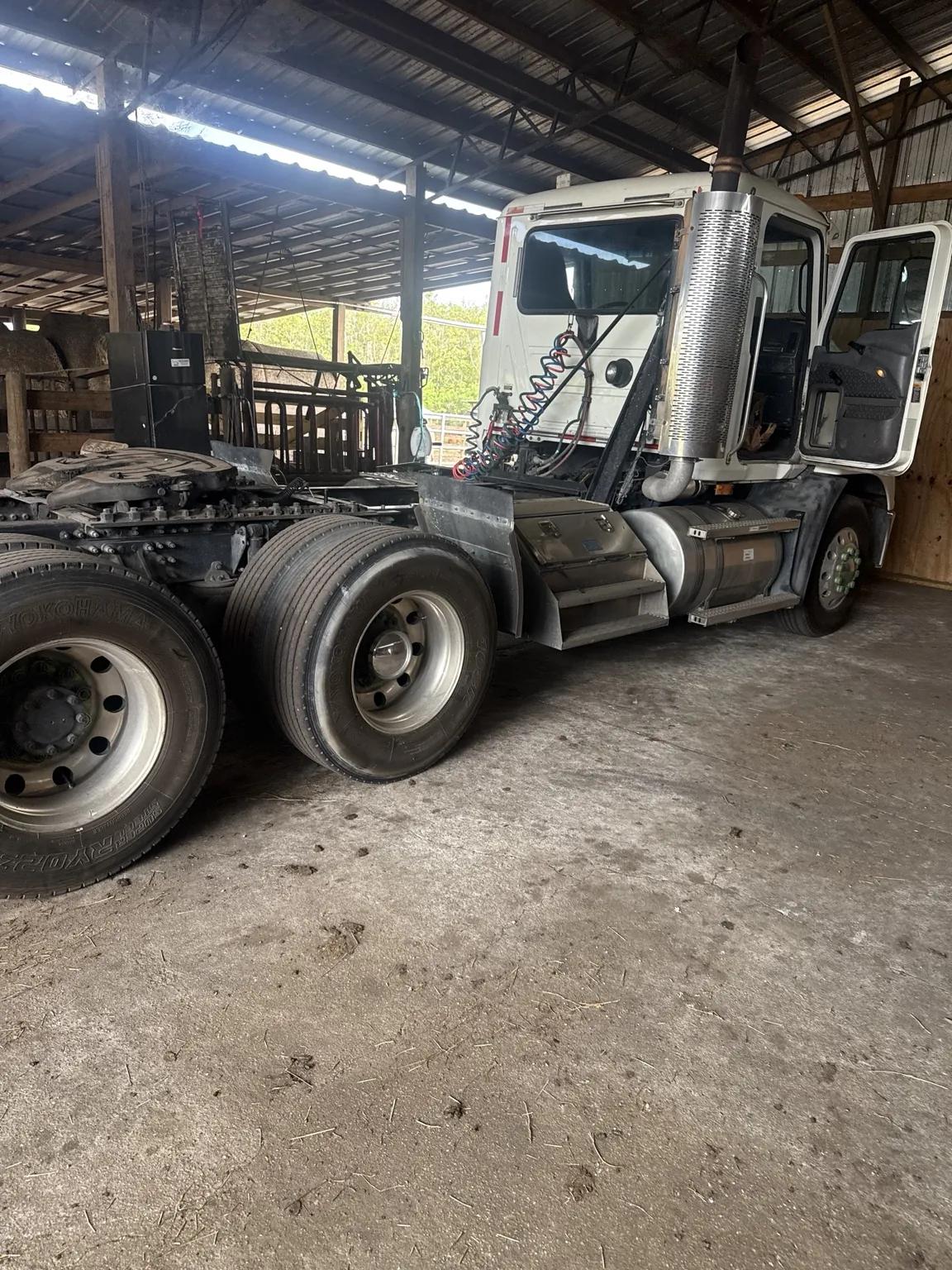
Group preventive work into planned windows. Identify the days or weeks when trucks are least needed on the road, and schedule inspections and routine service during those periods. Keep a record of each unit, including mileage or engine hours, the date of each service and any open issues. That record makes it easier to see which trucks need attention next and to spot repeat problems.
Set up a reporting routine for drivers. Ask them to flag new leaks, fluid levels that keep dropping, unusual noises, warning lights and more frequent regeneration cycles, and to report each issue with the unit number and the date it first appeared. Early reports often prevent a small problem from becoming a breakdown.
Review the schedule regularly. If a unit keeps returning with the same symptom, it may need deeper diagnosis rather than another routine visit. A schedule that is reviewed and adjusted tends to work better than one that is set once and left alone.
Fleet Maintenance Best Practices and a Pre-Service Checklist
Good fleet maintenance depends on consistent habits as much as on the technician's skill. The practices below help keep trucks reliable and make each service visit more productive.
Before a technician arrives, gather the information they will need. A pre-service checklist keeps the visit focused and avoids wasted time:
- Unit number and VIN for each truck scheduled for service
- Current mileage or engine hours
- Dash warning lights and any fault codes the driver saw
- Description of symptoms, including when they occur and what the truck was doing
- Date the problem first appeared and whether it has changed since
- Any recent repairs, parts replaced or service records
- Access to the truck, including a clear parking area and power if needed
- Written approval limits for work the technician may need to add
- Preferred contact person for updates during the visit
Keep service records for every truck, including findings, repairs and parts used. Written findings tied to the unit number help when a problem recurs, when the truck is sold, or when insurance or warranty questions come up.
Set a clear approval process before work begins. Decide in advance who can authorize additional repairs, and what limit applies, so the technician can proceed without delay when a new issue is found.
How to Choose a Mobile Fleet Maintenance Provider
Most provider-selection advice is a list of questions. A better approach is a short scorecard you fill in for each candidate, so two providers can be compared on the same lines instead of on how well they answer the phone.
**1.
2. Service coverage and response expectations. Confirm the area they actually cover and how they handle after-hours calls. Ask what information they need to dispatch, and how they prioritize a truck that is down versus one that is due for service.
3. Cost structure in writing. Ask what the diagnostic minimum, travel charge, and service-call fee each cover, and whether they apply to every visit.
4. Insurance and qualifications. Ask for a certificate of insurance and confirm the coverage limits meet your fleet's requirements. Ask whether technicians hold current DOT inspector qualifications if you use the provider for annual inspections.
5. Reporting tied to the unit number. A useful service report states what was tested, what was found, what was repaired, and what follow-up is needed, all tied to the unit number and VIN.
6. Parts sourcing. Ask how the provider sources parts and whether they use OEM or aftermarket components. Ask what happens when a part is not on the service vehicle.
7. Fleet program fit. Ask whether they offer scheduled preventive maintenance at your yard during planned downtime, and what a package includes. Our packages include an 84-point inspection.
Score each candidate on a simple scale, such as one to three, across the lines above. Weight diagnostic capability and insurance highest, because a provider who fails either cannot be used regardless of price.
Watch out: a low service-call fee can hide a high diagnostic minimum or a travel charge that applies to every visit. Read the fee structure as a whole before comparing providers.
Smith Truck Repair is a mobile service based in Haines City. We offer mobile diesel diagnostics, engine and transmission repair, electrical troubleshooting, aftertreatment repair, brakes and air systems, cooling systems, automated transmissions, fleet preventive maintenance, and DOT inspections.
Schedule Your Fleet's Next Service Visit With Smith Truck Repair
For planned fleet maintenance, you can request service through our service request page on smithtruckrepairfl.com. Have each truck's unit number or VIN, current mileage or engine hours, and a description of the symptoms or service needed ready before you submit the request. For current pricing or a quote for your specific work, check our website or contact us before you book.
If you run a commercial fleet and want to set up an ongoing account, you can start the fleet account application on our site. For roadside issues or urgent dispatch, call or text 813-924-3120 and have the truck's exact location, VIN or unit number, dash warnings and symptoms ready.
Smith Truck Repair is based in Haines City and serves Central Florida, including Winter Haven, Davenport, Auburndale, Lake Wales and Lakeland. We are a mobile service, not a shop in each city, so response times depend on where the truck is and the work required.
Frequently Asked Questions
What does on-site fleet maintenance mean?
On-site fleet maintenance means a technician comes to your yard, depot, or parking area to perform preventive maintenance, inspections, and many repairs on your trucks instead of towing them to a repair shop. At Smith Truck Repair, we schedule this work during planned downtime so drivers and dispatch can keep the rest of the fleet moving. Not every repair can be completed on site, and we explain our findings before any larger job begins.
What are the main benefits of on-site fleet maintenance?
The main benefits are less vehicle downtime, lower towing and transport costs, and preventive maintenance that catches small problems before they strand a truck on the road. Fleet managers also gain convenience, since service happens where the trucks already are. Results depend on your duty cycle, mileage, and how well the schedule fits your routes, so we review each fleet's needs before recommending a plan.
How can on-site maintenance reduce fleet downtime?
On-site maintenance reduces downtime by removing the tow and the wait at a shop. A technician can inspect and service trucks during scheduled gaps in dispatch, and repairs that are within scope can be finished in the yard. For larger jobs, we tell you what parts and time are needed so you can plan the truck's return to service. We cannot promise same-day completion for every job.
Is on-site fleet maintenance right for every repair?
No. On-site work suits routine preventive maintenance, many diagnostics, electrical troubleshooting, and a range of engine, brake, and cooling repairs. Some jobs, such as major component replacements or work that needs a specialized shop, may still require the truck to go elsewhere. Brake, steering, overheating, and low oil pressure concerns should be handled by stopping safely and calling for help, not by continuing to drive.
What are the best practices for scheduling on-site fleet maintenance?
Schedule service around planned downtime, not during peak dispatch hours. Give the technician the unit numbers, mileage or engine hours, and any symptoms drivers have reported. Group trucks by location so one visit covers several units. Keep a written record of each visit so you can track repeat issues. Smith Truck Repair can build a recurring schedule around your yard and routes.
How should a fleet manager prepare vehicles for scheduled maintenance?
Before the visit, confirm the unit number, VIN, and current mileage or engine hours for each truck. Ask drivers to report warning lights, leaks, unusual noises, and frequent regeneration. Clear enough space around each truck so the technician can work safely, and make sure the yard has access for diagnostic equipment. Having this information ready shortens diagnosis time and keeps the visit focused.
What services can a mobile fleet maintenance provider perform?
A mobile fleet maintenance provider can typically handle preventive maintenance, DOT inspections, diesel diagnostics, engine repair, electrical troubleshooting, aftertreatment repair, brake and air system work, cooling system service, and automated transmission repair. Smith Truck Repair does not offer tire service. Our preventive maintenance packages include an 84-point inspection, and we confirm scope with you before starting any work.
